


A closed bud instead of new growth: what arrested vegetation looks like after senication
Unlike previous trials, where results were measured in tonnes and percentages, the observation on ‘Gala’ apple in the post-harvest period of 2026 was visual and qualitative in nature — but no less telling for it.
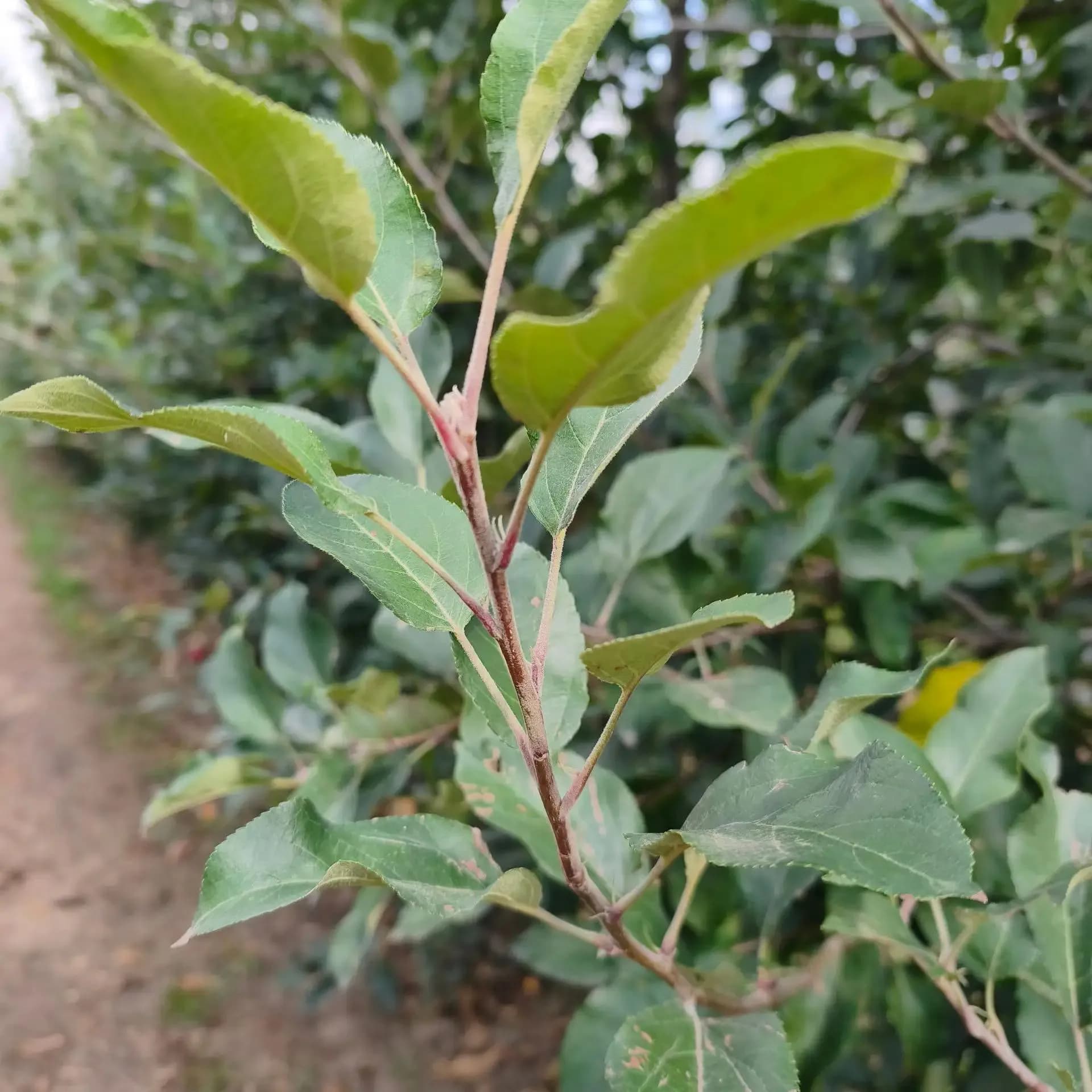
Autumn senication had been applied on the trial plot. At an inspection carried out in late September, the overwhelming majority of shoots on the trial plot had set a terminal fruit bud — the growing point had closed off, and linear extension had stopped. Occasional growth was still found on vertically oriented (“water”) shoots, which are physiologically harder to stop, and on a few branches on the sun-facing side of the canopy — but these were the exception, not the general picture.

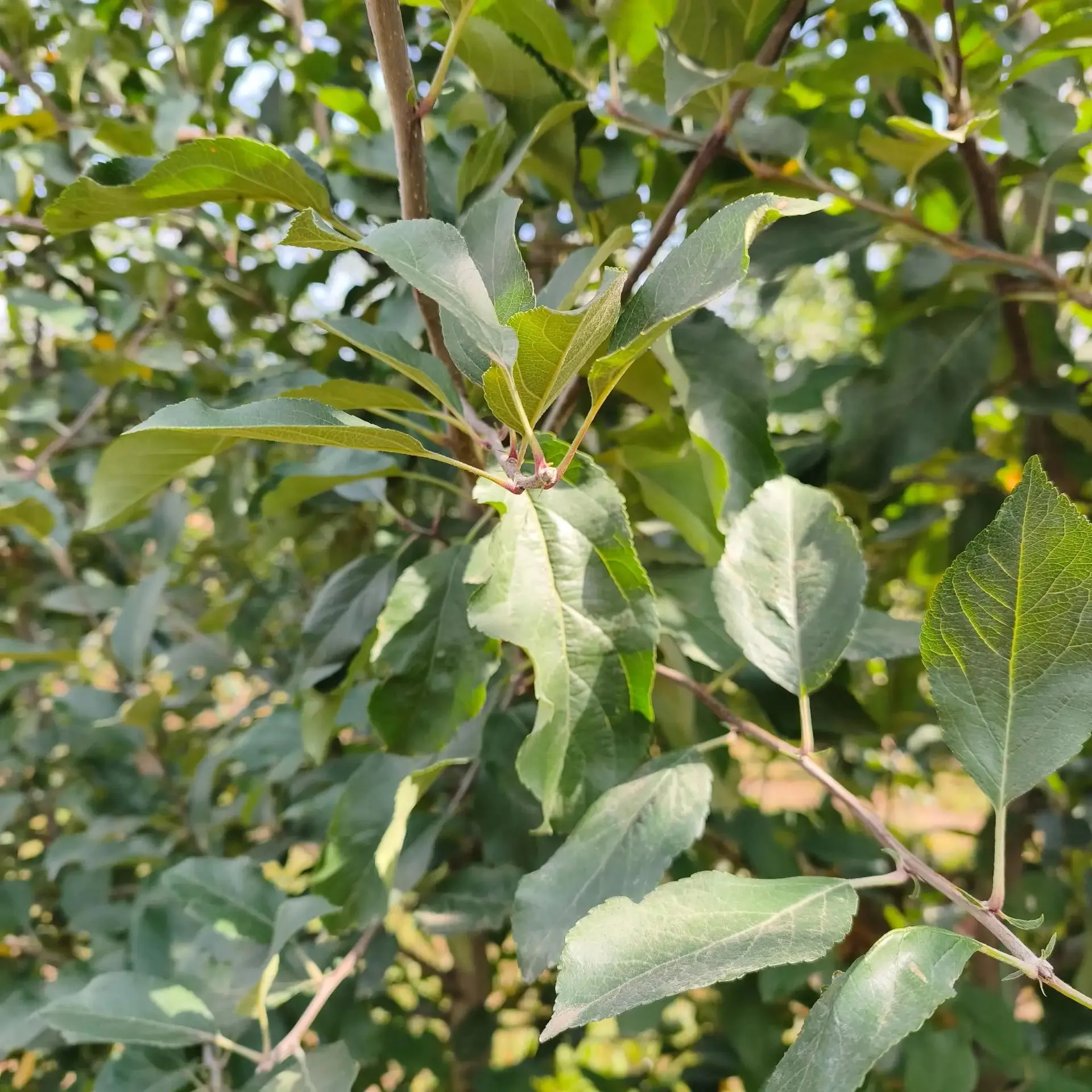

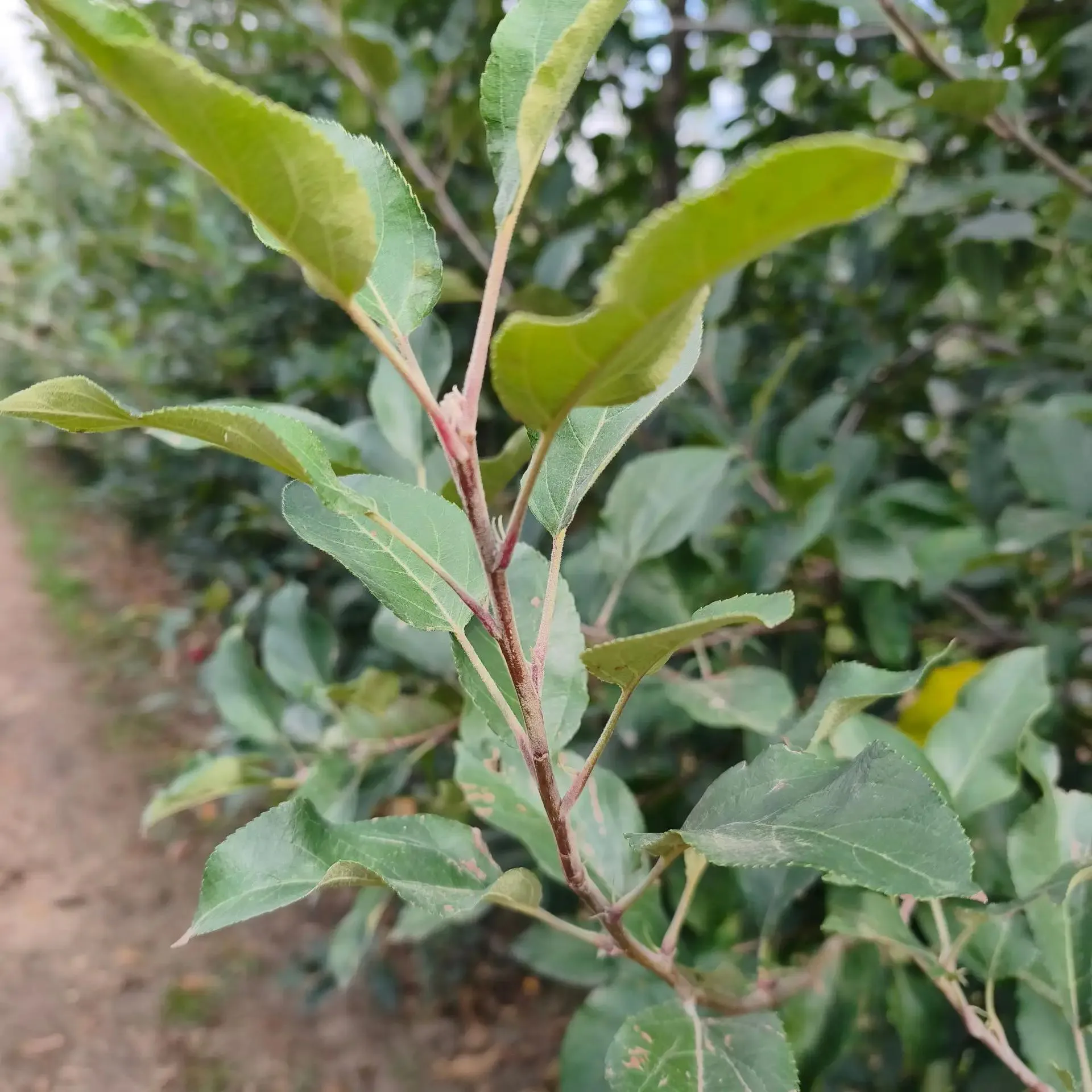
On the control plot, where no senication had been applied, the picture was the opposite: vigorous, active growth was recorded throughout the plot, growing points remained open, with young leaves actively unfurling.

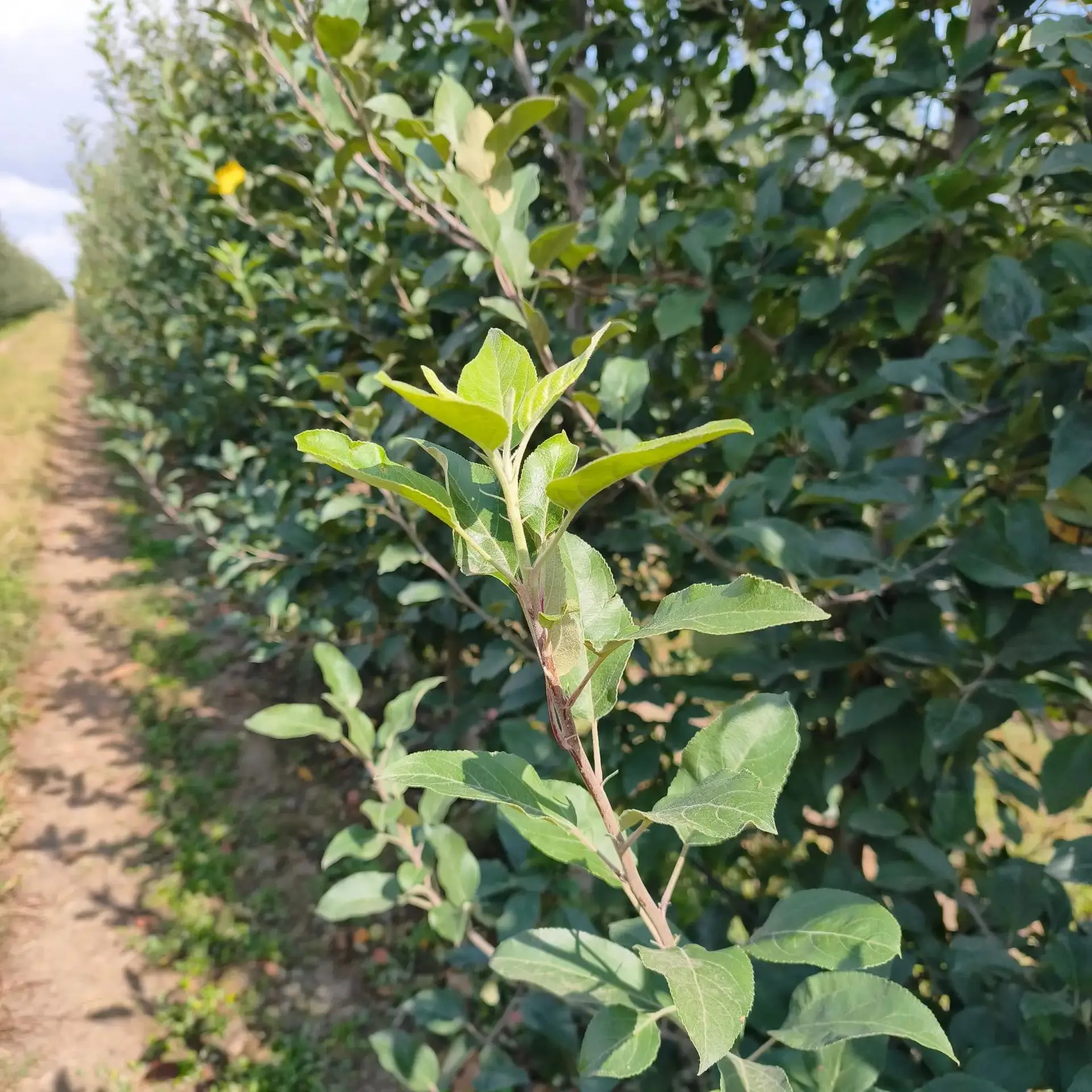
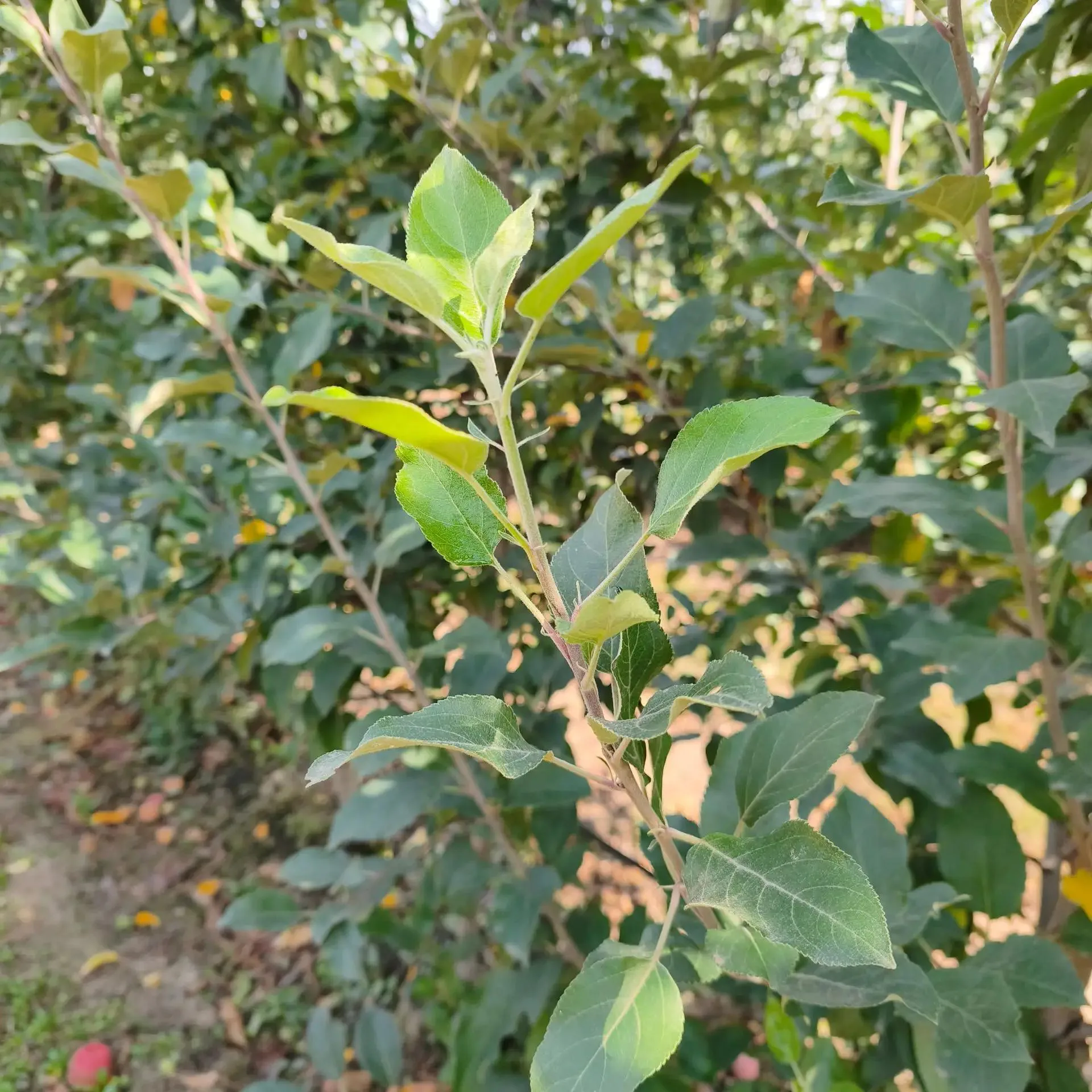

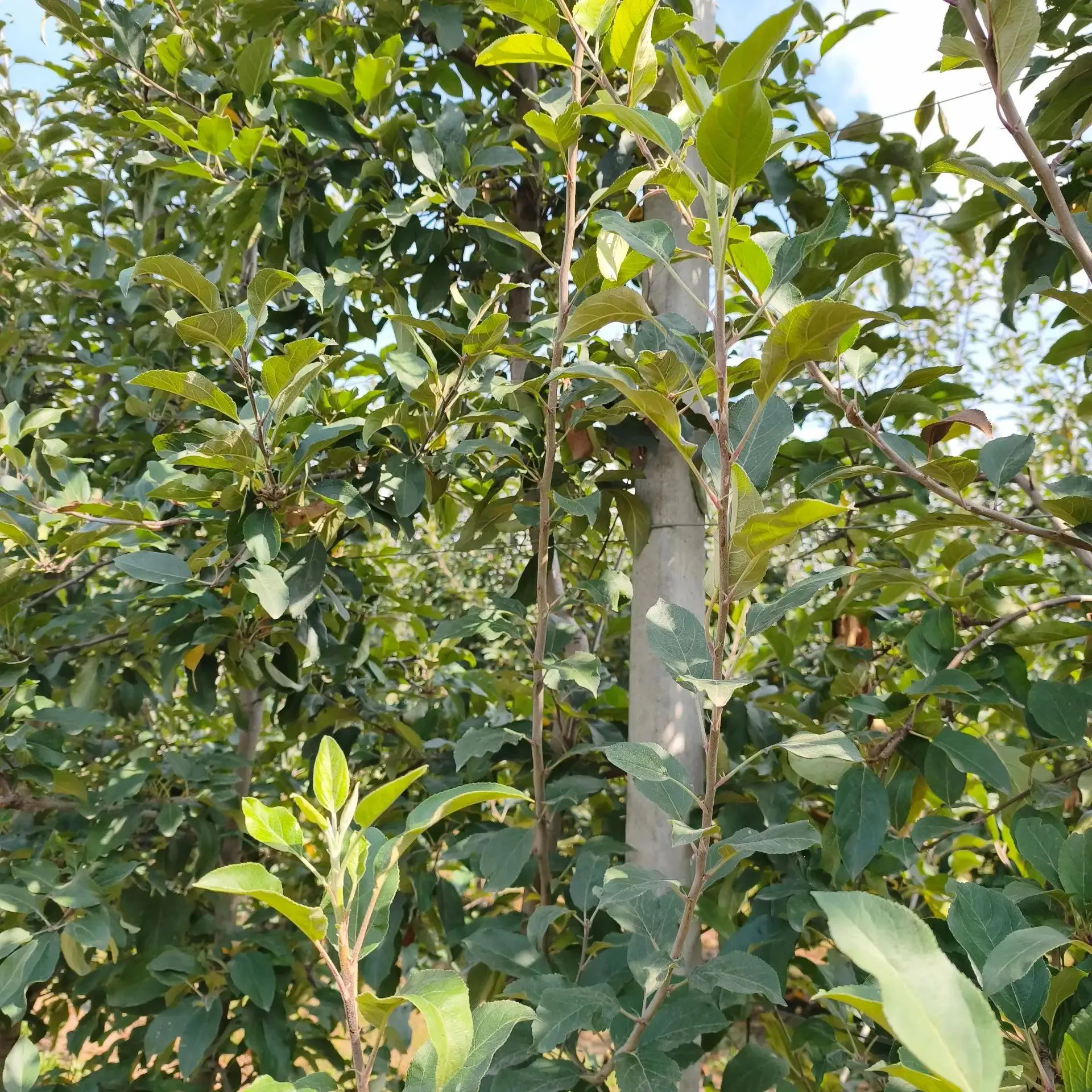
This visual contrast is directly linked to senication’s mechanism of action: the product contains no synthetic hormones — instead, it stimulates the enzymatic pathways of reutilisation, redirecting the outflow of nutrients from the leaf canopy into the buds, wood and root system, rather than letting the tree keep pouring resources into vegetative growth at the expense of preparing for winter.
This material is based on field observation data from a commercial orchard (2026 season).