




Orchard establishment: the physiology of transplant survival and the role of pre-planting root treatment in building a productive perennial planting
Establishing a fruit orchard is a strategic investment meant to pay off over decades of productive use. But the success of the whole venture isn’t decided at the moment of planting — it’s decided in the first weeks and months afterward, when the young tree either builds a strong, deep-reaching root system, or settles into a prolonged stress state it may never fully recover from. The key factor determining survival and subsequent productivity is sound pre-planting root preparation using modern rooting stimulants.
Establishment: not just survival, but triggering the growth programme
In orchard practice, fruit-tree stock is generally called “newly planted trees” for the first year or two after planting, and ensuring good establishment in that very first season is critical, since it determines both the upcoming overwintering and the tree’s further development. Bare-root (BR) planting stock inevitably experiences combined stress after being lifted at the nursery, transported and planted — what professionals call “transplant shock.” Without specific preparation, trees typically take a long time to recover — a month, sometimes an entire summer — and this recovery time is directly tied to the starting condition of the root system.
From a physiological standpoint, establishment comes down above all to good new root formation, which drives growth of the above-ground part of the newly planted tree. This is a multi-stage process. In the first stage, lasting around a month, callus — undifferentiated tissue from which young absorbing rootlets later develop — forms at the tips of the existing roots. Dormant meristematic cells then activate, giving rise to new lateral and adventitious roots. Only once the new root system starts actively absorbing water and mineral nutrients does the above-ground part receive the signal to resume growth.
Who’s really in charge of root growth
The key molecular-level regulators of root formation are phytohormones, with auxins and cytokinins holding the central place among them. Of the roughly ten known classes of plant hormones, auxins and cytokinins are the oldest and most influential: they govern plant growth and development, cell division, lateral and adventitious root growth, and the formation of organs and tissues — including the all-important vascular system.
Auxins are the main endogenous signal initiating adventitious root formation. Research shows that synthetic auxin stimulates the development of additional primordia in the root zone, where they form after tissue integrity is disrupted. It’s auxins that act as the stimulant driving root formation in a cutting and activating growth processes at the very earliest stage.
Cytokinins, produced mainly in the roots and then transported via the xylem to the shoots, perform a complementary function: they stimulate cell division and, together with auxins, ensure balanced root system development. Close interaction between the auxin and cytokinin regulatory systems has been established at the signalling level of these phytohormones. When transplant stress disrupts this balance, the resulting hormonal imbalance inhibits root formation.
The trick isn’t the hormone — it’s waking up the plant’s own
A root-formation phytomodulator takes a fundamentally different, more physiological approach: rather than supplying hormones from outside, it contains a prohormonal complex that triggers the plant’s own endogenous auxin synthesis in its tissues. This mechanism avoids the risk of hormonal imbalance and phytotoxicity typically associated with synthetic auxin overdose.
How to “bathe” the roots correctly before planting
The effectiveness of rooting stimulants depends directly on following the application technique correctly. For bare-root planting stock, the optimal method is soaking the roots in the working solution immediately before planting.
Soaking time varies depending on the type of product and solution concentration. For most hormonal stimulants, a 6-hour soak at a concentration of 1 g/L is recommended. For a root-formation phytomodulator, the exact exposure time is set by the manufacturer’s instructions, but the general principle is to ensure full contact between the root system and the solution, allowing the active components to penetrate the tissue.
Besides soaking, an effective technique is applying the stimulant solution directly into the planting hole or the root zone after planting. It’s recommended to apply the root stimulant both before planting (directly around the roots) and to the soil immediately after planting.
It’s worth remembering that rooting stimulants don’t replace basic agrotechnical requirements — they complement them: properly amending planting holes with organic and mineral fertilisers, maintaining correct planting depth, timely watering, and mulching the tree basin.
Expected results and long-term effect
Pre-planting root treatment of nursery stock with root-formation phytomodulators delivers a combined positive effect:
Faster new-root formation. Stimulating endogenous auxin synthesis speeds up the appearance of callus and young absorbing rootlets, shortening the “transplant shock” period from a month down to one or two weeks.
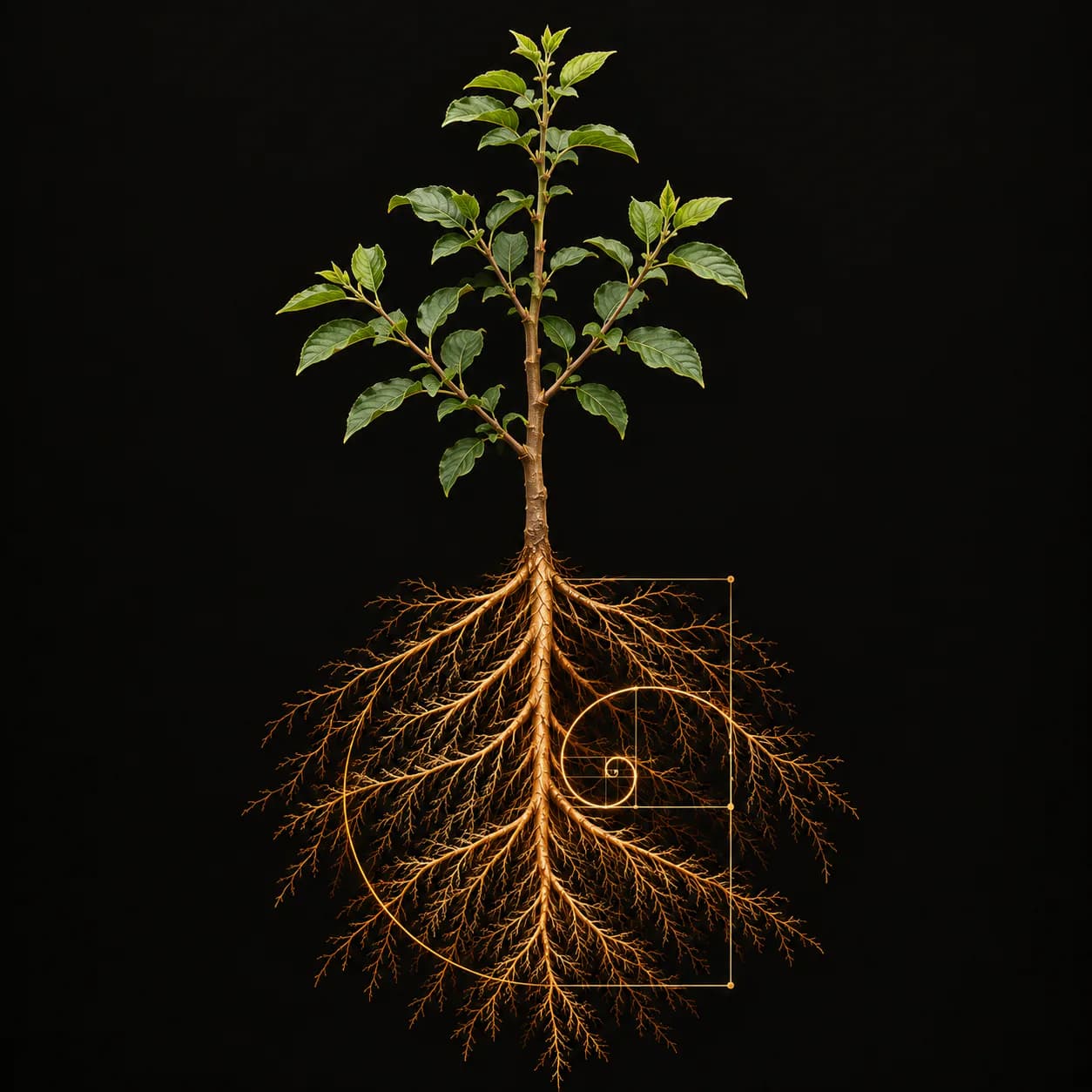
A stronger, more branched root system. Activating dormant meristems and boosting cell division increase total root volume and absorptive surface area, directly affecting the plant’s water and nutrient supply.
Higher establishment rate. Ultimately, all these factors translate into a substantial improvement in the percentage of trees that establish successfully — something particularly critical when planting commercial orchards, where every loss means not only the cost of the planting stock but also lost future profit from a reduced harvest.
Conclusion
Establishing a fruit orchard is an undertaking with no small details. Quality planting stock, properly prepared soil and correct planting timing are necessary conditions for success, but not always sufficient ones. The key factor determining a young tree’s fate in the first, most vulnerable weeks after planting is the speed and completeness of root system recovery. Pre-planting root treatment with a root-formation phytomodulator, which stimulates endogenous auxin synthesis and provides comprehensive support for rhizogenesis, can substantially shorten the “transplant shock” period, raise establishment rates, and lay the groundwork for a strong, deep-reaching root system. And it’s precisely that kind of root system that underpins a fruit tree’s longevity, health and high productivity for decades to come.