





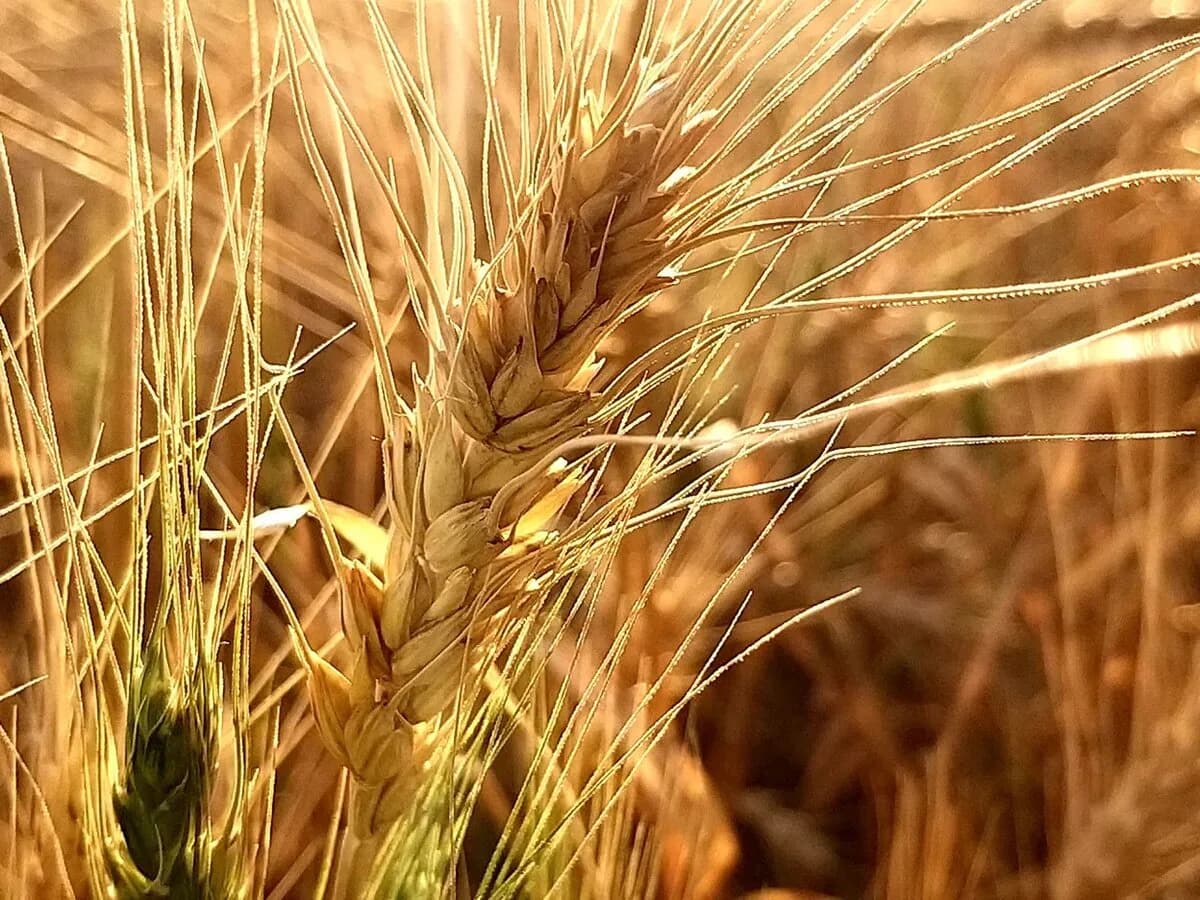
Senication of winter cereals: a physiologically grounded method for managing harvest quality in the final stage of the growing season
The pre-harvest period is not merely a waiting game for physiological maturity. It is a critically important stage, during which the final redistribution of nutrients within the plant takes place — a process that directly determines key quality indicators such as protein and gluten content.
Modern agronomy has a specific tool for actively managing this process: senication (from the Latin senescere, “to age”). Unlike the more widely used desiccation, aimed at rapidly drying down the plant, senication is a physiologically subtle way of managing natural ageing to maximise the quality and yield of marketable grain.
Senication and desiccation: two fundamentally different approaches to the end of the growing season
To understand senication, it is essential to distinguish it clearly from desiccation. Despite an apparent similarity, these are two different agronomic tools with different goals and mechanisms of action.
Desiccation (using, for example, diquat or glyphosate) is essentially “chemical drying.” Its main purpose is fast, aggressive dehydration of the vegetative mass to ease mechanised harvesting, particularly in heavily weed-infested fields or during prolonged rain. Desiccation halts all physiological processes, including grain fill.
Senication works differently. Rather than stopping the plant’s natural ageing programme, it artificially triggers and accelerates it. This is a gentle, physiological process, aimed not at emergency “drying” but at a controlled completion of grain fill, higher yield quality, and synchronised ripening. The key distinction: senication activates the plant’s internal processes for redistributing nutrients from the vegetative organs into the grain.
The physiological mechanism: assimilate outflow as the key to quality
Once the grain reaches the dough stage, the root system of winter cereals generally sees a significant drop in uptake activity. Vegetative organs — leaves and stem — become the main source of nitrogen and other elements for building storage proteins in the grain. This process is called remobilisation (reutilisation).
Senication specifically drives this process. Applying senication agents at the milk-to-dough stage accelerates tissue metabolism and speeds up the phloem outflow of plastic substances into the ear.
The purpose of this movement is to “squeeze” as much as possible of the accumulated photosynthate out of the leaf canopy and stem, and direct it into the grain, achieving:
greater grain fill;
higher thousand-kernel weight;
higher protein and gluten content.
This approach allows fuller realisation of the variety’s genetic potential — particularly in years with a cool, wet summer, when natural ripening drags on and grain quality risks declining. Research shows that senication consistently increases thousand-kernel weight and the harvest of crude gluten and protein.
Senication tools: from classic to modern approaches
Two broad groups of senication treatments are used in practice.
Mineral (physiological) senication
This method is considered the most physiologically gentle and quality-oriented. It relies on foliar feeding during grain fill with elevated doses of potassium and sulphur:
Potassium plays a key role in transporting sugars and assimilates from the vegetative organs into the grain, ensuring maximum fill.
Sulphur is absolutely essential for synthesising the amino acids (methionine, cysteine) that build proteins, including gluten. Adequate sulphur supply during this period directly affects grain quality.
A classic approach also involves spraying the crop with nitrogen fertiliser solutions (for example, 20–30% ammonium nitrate solution) combined with the herbicide 2,4-D.
Hormonal senication.
This approach uses growth regulators that act as ethylene donors (for example, Foliart Senicant). Once inside the plant, it releases ethylene — the phytohormone that serves as the natural signal for ageing and ripening. This triggers a cascade of processes, including leaf yellowing and intensive nutrient outflow into the grain. This method allows precise control over the timing of ripening.
Technological aspects and effectiveness
The optimal timing for senication is the milk-to-dough or dough stage of grain development. Applying it too early can prematurely halt fill and reduce yield; applying it too late will not deliver the desired effect.
Senication is particularly relevant in the following situations:
Years with unfavourable weather delaying natural ripening.
Fields with uneven stands, where synchronisation between main and secondary tillers is needed.
When harvest needs to start earlier than usual without sacrificing quality.
For producing seed material with more uniform sowing qualities.
Effectiveness: depending on the source, senication can raise cereal yield by 0.44–0.58 t/ha and increase the harvest of crude gluten and protein per unit area.
Conclusion
Senication is not just another end-of-season operation — it is a high-tech, physiologically grounded technique for managing the quality of the coming harvest. Understanding its mechanisms, and how it differs from desiccation, lets the agronomist make sound decisions during the critical pre-harvest period.
As grain prices increasingly reflect quality parameters, senication is becoming an essential tool for maximising economic return per hectare.
#Foliart #Senication #WinterCereals #Harvest #GrainQuality #CropTechnology #CropProduction #PreHarvest #FoliartSenicant #Agronomy