


Composition
- Organic polymers550 g/L
- Organic viscosity modifier240 g/L
- Pectin0.1 g/L
- Complex of prohormonal compoundsno more than 1%

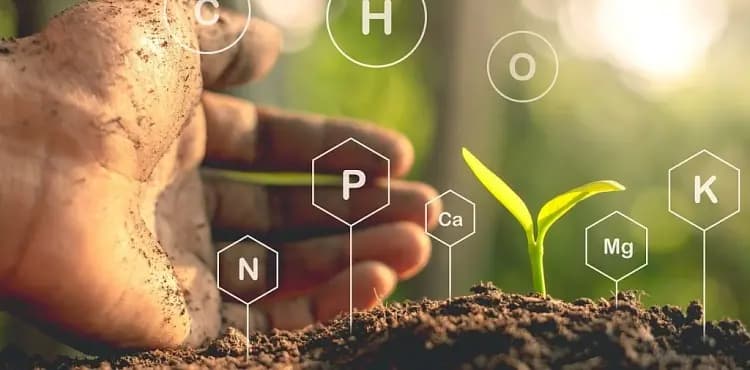
Mechanisms of Action of Foliart Iliostop in the Context of Transpiration and Heat Resistance
Stabilization of cell membranes. Polyethenol and cellulose glycolic acid form a thin polymer film on the leaf surface that acts as an antitranspirant. Unlike rigid film-forming agents, Foliart Iliostop creates a semi-permeable layer that does not completely block gas exchange but instead optimizes the transpiration flow. This helps preserve the cooling effect of evaporation while preventing critical dehydration of plant tissues.
Prohormonal regulation. The complex of prohormonal compounds stimulates the synthesis of endogenous phytohormones involved in the regulation of stomatal movements. This ensures a faster and more appropriate response of the stomatal apparatus to changing environmental conditions, preventing both excessive water loss and critical overheating.
Osmotic protection. Pectin and the components of the polymer matrix help retain moisture in the leaf apoplast, creating a buffer zone that slows down mesophyll dehydration during peak heat stress.
The product is compatible with most fertilizers and crop protection products. Mixing with copper- and sulfur-based products in the same tank is not allowed. A compatibility test is required before use.
1–1.5 L/ha at a spray volume of up to 600 L/ha, 2 L/ha at a spray volume of 700–1000 L/ha
1–1.5 L/ha at a spray volume of up to 500 L/ha, 2 L/ha at a spray volume of 600–1000 L/ha
0.5–1 L/ha at a spray volume of up to 200–400 L/ha
1–1.5 L/ha at a spray volume of up to 300 L/ha
0.5–1 L/ha at a spray volume of up to 300 L/ha
1–2 L/ha at a spray volume of up to 400 L/ha
0.5–1 L/ha at a spray volume of up to 300 L/ha
0.5–1 L/ha at a spray volume of up to 300 L/ha
1–1.5 L/ha at a spray volume of up to 300–400 L/ha
PLANT NUTRITION SPECIALIST

Expert help in choosing fertilizers
Our highly qualified specialist analyzes the soil and determines its chemical composition. Based on the results, Arseniy can recommend the best fertilizer for a specific soil type and crop. His knowledge of soil chemistry and nutrients helps develop tailored fertilizer formulas that improve yields and plant health while also reducing the environmental impact. He will be happy to answer your questions.